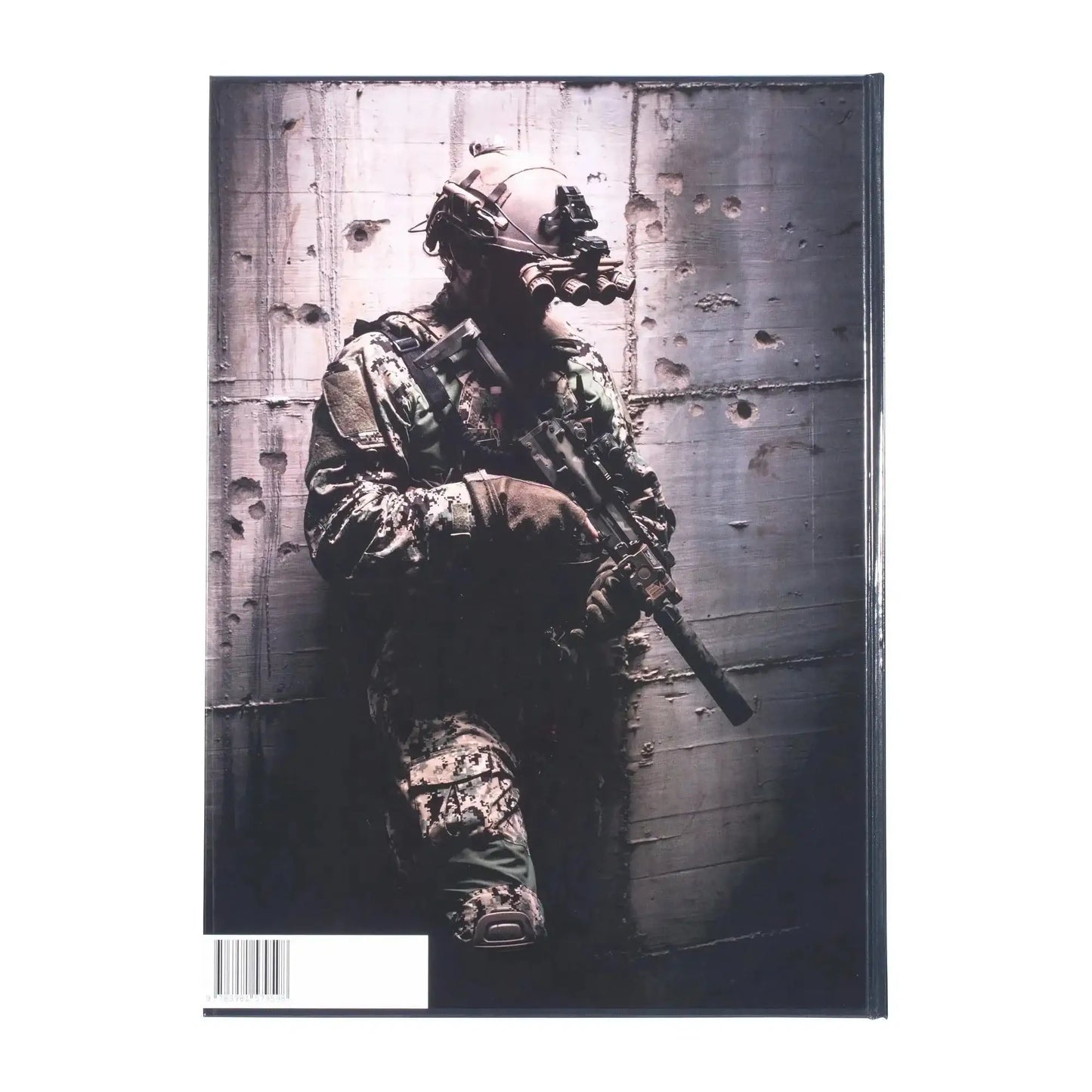































This study on NATO's special operations forces aims to provide the most comprehensive overview of the current situation. However, NATO special forces are in a state of constant flux. At the time of writing, NATO has turned 70. From its beginnings in 1949 to the present day in 2019, a great deal has changed, even though many NATO special operations forces trace their roots back to the British SAS or the British Commandos. Italy and Germany, as well as some Eastern European countries, are exceptions to this. NATO's eastward expansion has also presented significant challenges. Special operations forces, previously trained and equipped under entirely different conditions, had to be integrated and harmonized. The annexation of Crimea and the conflict in eastern Ukraine also pose new threats to the alliance. Furthermore, the North Atlantic Treaty Organization is keeping a watchful eye on the Baltic states, which feel threatened by their large neighbor but are now an important part of NATO. NATO's special operations forces must also be able to cope with the new, hybrid warfare. This includes the integration of female SOF troopers, UAV operators, and cyber specialists. However, it is important to avoid any misunderstanding. Russia remains a key political partner for Europe at all levels. Due to the constant changes, this book can only offer a snapshot of the current situation at the time of writing, including some retrospective analysis. While SOF units have strategic importance within NATO, they function only within a complex, overarching framework, interacting with numerous other global players across all branches of the armed forces, politics, business, society, government agencies, and cyberspace. NATO SOF units are therefore just one aspect of a comprehensive operation, but they are also more than the sum of their parts.
Author: Sören Sünkler
Pages: 206
Binding: Hardcover
Format: 23 cm x 32 cm
ISBN: 978-3-9815795-9-8
SKU:
45846
Condition: New
Made in Germany