























































Login
Your benefits:
- Du sammelst mit jeder Aktivität XPs. Gear up und erreiche den nächsten Rang!
- Übersicht über Deine Bestellungen und den aktuellen Bestellstatus
- Schnelle & komfortable Bestellung


What happens when the power suddenly goes out? No lights, no internet, no cell reception. The coffee machine stays silent, the water turns cold, the heating shuts down. We hardly think about many things that are taken for granted in everyday life – until they suddenly aren’t available anymore.
A nationwide power outage – also blackout called – is not a science-fiction scenario. Authorities such as the Federal Office of Civil Protection and Disaster Assistance (BBK) take the possibility of such an event seriously and recommend that the population prepare accordingly. The police, fire brigade and Bundeswehr also regularly train for precisely these scenarios in order to remain operational.
The combination of naturally occurring extreme events, technical vulnerabilities, hybrid threats and a tense foreign policy situation leads to critical infrastructure being targeted more and more frequently. A power outage would have massive effects on almost all areas of life – both in the public and private sphere.
A blackout is a large-scale, unplanned Power outage, which is not limited locally to a single street or neighborhood, but affects entire regions or even countries can paralyze everything. Unlike a brief power cut after a thunderstorm or a blown fuse, a blackout lasts several hours, or in extreme cases even days or weeks – with far-reaching consequences.
Possible triggers for a blackout include:
A blackout differs from a normal power outage mainly in its scope and duration. Because the longer the power stays off, the more things get out of balance: Supplies, communication, mobility, security.
Germany has one of the most stable power grids in the world. Yet despite this technical reliability, experts do not rule out a widespread power outage does not. Especially due to increasing strain, tense foreign-policy situations and new threat scenarios, the risk is increasing – not noticeable on a daily basis, but strategically relevant.
Several factors have increased the likelihood of a blackout in recent years:
On 28 April 2025 there were Spain and Portugal that led to a large-scale power outage that also affected Andorra and parts of southern France. Within seconds, power went out across large parts of the Iberian Peninsula. Millions of people were affected. Traffic lights, subways, mobile networks and hospitals were impaired. Restoration took until the next morning. This incident impressively shows how quickly everyday life can almost come to a standstill.
A prolonged power outage affects almost all areas of life – partly directly, partly indirectly. Particularly critical is the Failure of electric heating systems, because without electricity, control units and circulation pumps no longer work. Especially in winter, this quickly becomes uncomfortable – and dangerous.
Also the Water supply is affected: without functioning pump systems, no more water comes out of the tap, toilets stop flushing and hygiene becomes a challenge.
Communication systems such as Mobile network, landline and internet also collapse without power. Routers, cell towers and data centers only function as long as their emergency power supply lasts – if they have one at all. Emergency calls may no longer be reachable.
In Trade cash register systems become unusable, supermarkets close, cold chains break down – food supplies quickly come to a standstill. Also medical facilities can only operate to a limited extent without electricity – refrigeration of medication, technical devices and digital patient systems are affected.
Transport and infrastructure come to a standstill: traffic lights, rail systems, tunnel ventilation or Gas stations do not work. Also the public safety is limited, as police and emergency services reach their limits during a widespread blackout. To ease the burden on police and emergency services during a power outage, everyone can take individual precautions to prepare for an emergency.
A power outage lasting several days brings more than just darkness. When water, heating, communication, supermarkets, medical care and security fail, you need more than just a few candles. The Federal Office of Civil Protection and Disaster Assistance (BBK) recommends, for various crisis scenarios – including power outages – that you be self-sufficient for at least ten daysHow to put this into practice in concrete terms is explained in the following sections.
Without electricity, no pumping station works – neither at the waterworks nor in a high-rise building. Once there’s no more pressure in the pipes, nothing will come out of the tap. Drinking water will quickly become scarce. You should calculate at least two liters of drinking water per person per day, more if you’re physically active or it’s hot. Store the water in food-safe canisters or bottles and keep it in a cool, dark place. For additional hygiene needs (e.g. handwashing, flushing the toilet), it’s sensible to plan for non-potable utility water as well. If you want to use alternative water sources such as rain barrels, you’ll need filters or disinfectants to turn that water into safe drinking water.
Useful equipment for water supply during a power outage:
If cold chains break down and the supermarket stays closed, you have to rely on your supplies. Focus on foods that keep without refrigeration, are as easy to prepare as possible and are filling. Canned goods, tinned bread, long-life snacks and emergency rations have proven particularly effective.
Dry products such as rice, pasta or lentils can be stored well, but for preparation they require water and a way to cook – neither of which is guaranteed in a blackout. If you plan with such foods, you definitely need an emergency stove and sufficient water reserves.
Canned food and food in jars, on the other hand, have the advantage that they can also be eaten cold straight away. It may not taste quite as good as warm – but it fills you up, is nutritious and can be eaten without any effort. For longer crises, a combination of long-lasting trekking food (e.g. freeze-dried) and compact emergency rations that can be eaten immediately is also recommended.
Useful equipment for food supply during a power outage:
If the power goes out, the stove, kettle and microwave stop working – and with them every way of heating food or boiling water. Anyone who doesn’t want to go without hot meals needs an off-grid cooking solution.
Camping stoves with gas cartridges are the most common and easiest method. Alcohol or hobo stoves are also viable alternatives. Be sure to store gas cartridges correctly: They must never be stored in the basement or in enclosed spaces, but should be kept cool, dry and well ventilated in a garage or shed.
When in use, stoves should be operated only with sufficient ventilation – ideally outdoors. It is also important that you have ignition sources ready to hand that work reliably even in damp conditions.
You usually don’t need to buy extra cookware – existing stainless steel or enamel pots are sufficient.
Useful equipment for cooking during a power outage:
A kubotan is more than just a hard object – it is an effective amplifier for striking, pressure and leverage techniques. Especially in dangerous situations, it gives you clear advantages: thanks to its compact design, you can generate maximum effect with minimal effort. You can precisely target pain points, apply pressure to joints and tendons and gain a physical advantage – even over stronger attackers.
To keep yourself warm, you should combine several measures. The so‑called layering principle has proven effective: wear several layers of clothing on top of each other to better retain body heat. A hat, scarf, thick socks and gloves are also essential – because a large portion of body heat is lost through the head and extremities.
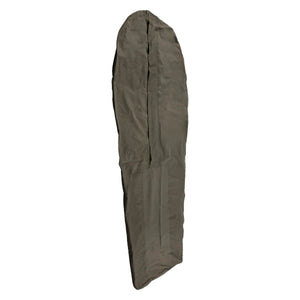
It also helps to limit yourself to a single, well-insulated room and shield it from the cold with closed doors, curtains or blankets. Sleeping pads, blankets and sleeping bags with a low comfort rating (below 0 °C) will keep you warm through the night.
If you want to use an alternative heat source, such as a camping gas heater or a catalytic gas heater, you need to be careful: many of these devices are explicitly not approved for use in enclosed indoor spaces, as they consume oxygen and release CO₂ or even carbon monoxide. Use them only in well-ventilated areas – ideally outdoors or in semi-open spaces – and only together with a CO detector.
Useful equipment for heat supply during a power outage:
Without electricity, night really means darkness – and that can become dangerous. Headlamps are ideal because they leave both hands free. Complement them with battery-powered lanterns and flashlights. Solar lights like those used in gardens can be charged during the day and used at night. Candles and oil lamps provide light but are a fire hazard – you need a stable base and supervision. Also remember suitable spare batteries for all devices.
Useful equipment for lighting during a power outage:
Not every household has the same options for providing electricity in an emergency. Therefore, you should plan your Tailor your preparedness to your individual needs. Power banks are enough for smartphones and flashlights, but will soon be empty. Anyone who wants to operate devices for longer or charge them regularly should consider solar panels or a small Generator think about it. Also Balcony power plants with battery storage and island-mode function can be a solution – provided they are technically prepared.
To Power requirements 85-88
This will help you decide: Is a power bank enough? Or do you need a solar panel or a generator? It’s important to focus on the essentials – in other words, only plan for the devices that are truly necessary.
Useful equipment for power supply during a power outage:
When the power goes out, communication often fails as well – and faster than you might think. Wi-Fi routers stop working immediately, and the mobile network is only partially fail-safe. Cell towers often have an emergency power supply, but this usually lasts only a few hours. In a large-scale blackout, phone calls, mobile data and even emergency services can fail completely.
So that you still receive official information, warnings or instructions on how to behave, you need a battery-powered or crank-powered radio. FM is usually sufficient, but devices with shortwave reception and emergency frequencies are better. Combination devices that also have a lamp or USB charging function are particularly useful.
Also write down important phone numbers and addresses in analog form – on paper or as a weatherproof card – because without electricity, even the contacts stored on your phone will eventually become inaccessible. If you’re networked with family or neighbors, agree on a meeting point or communication plan in advance.
Walkie-talkies are a useful addition for short-range communication – for example in apartment buildings, in the neighbourhood or for joint crisis preparedness. Look for devices with long range and rechargeable batteries (optionally with spare batteries or a charging cable for solar power).
Useful equipment for information and communication during a power outage:
Without electricity, not only does the hot water fail – the entire water supply can come to a standstill. Toilets, sinks and showers stop working at the latest when the water pressure drops or fails completely. Hygiene becomes a challenge, especially if normal washing isn’t possible for several days.
In addition to wet wipes and disinfectants, you should therefore also plan for extra water for personal hygiene – independently of your drinking water. With a washcloth, a bowl and a little soap, you can keep yourself clean even without a shower. For washing your hands after using the toilet or before eating, clean water is equally indispensable. A water container with a tap has proven particularly useful here.
For going to the toilet you should prepare a makeshift toilet – for example with a sturdy bucket, rubbish bags and absorbent material such as cat litter or sawdust. This way you can avoid unpleasant odours and hygiene risks, even when no flushing system works anymore.
Also think about waste disposal. If regular collection stops, you’ll need sturdy trash bags, tape or sealable containers to store waste hygienically. Menstrual products should be planned for women, and diapers for babies – depending on your household.
Useful equipment for hygiene during a power outage:
If the power goes out, pharmacies are closed, doctors’ offices can only operate to a limited extent, and medical help may be delayed. That’s why having your own well-equipped home pharmacy is essential – especially if you need medication regularly.
In addition to the classics such as painkillers, disinfectants and wound care, you should also think about your personal medication – especially for chronic illnesses. Always keep a sufficient supply on hand, ideally for at least two weeks.
People with medical devices (e.g. CPAP breathing device, insulin pump, inhaler) also require special preparation – for example through backup power solutions, mobile batteries or alternative methods of use.
Regularly check the condition of your medications: expiration date, storage temperature and intact packaging are crucial. Make sure you store everything within easy reach and clearly organized – ideally in a dedicated emergency box.
Useful equipment for medical care during a power outage:
In everyday life, debit or credit cards are a matter of course for many people – but during a power outage, card payments no longer work. Cash register systems, ATMs and payment terminals all depend on the network and power supply. Online banking and mobile payment apps also become unusable.
For this reason, you should always keep some cash in small denominations at home. Banknotes between €5 and €20 and a handful of coins are ideal. This way you can buy things like water, food or medication if individual shops continue selling using emergency power or cash only.
In addition to cash, it’s important to have important personal documents quickly at hand. These include your ID card, passport, health insurance card, vaccination card, driver’s license, living will, medication plan and insurance certificates. Ideally, you should store these as copies, laminated or packed waterproof – for example in an emergency folder or a document pouch.
If you depend on medication or special medical information, it’s also worth having a printed emergency card with key details for first responders or authorities.
Not every household is the same – which is why blackout preparedness also needs individual adjustment. Children, infants, older people, those in need of care, people with disabilities or pets have their own specific needs that you should take into account in your planning.
For infants you need, for example, sufficient baby food, diapers, wet wipes and bottles. A manual bottle warmer or thermos flask can also be helpful. Children, in turn, not only need age-appropriate food, but also distraction – for example through books, drawing materials or small games to help them stay calm.
People in need of care often depend on aids or medication. Check whether you have enough consumables, hygiene products and care supplies in the house – possibly also disposable pads or incontinence products. People with mobility-impairing illnesses or diabetes often need devices or refrigeration that must be safeguarded in the event of a power outage.
Also, pets need food, water, medication or litter – and last but not least, peace and quiet. Store pet food in a dry place and plan extra water so your animal companions get through the power outage safely too.
Useful equipment for special needs in the household:
A good emergency plan does not only begin with preparation, but also with the right behavior in an emergency. If the power suddenly goes out, you should proceed systematically and calmly to protect yourself and others. The key is to first secure basic supplies, then gather information and act with foresight.
Stay calm. First check the fuse box – maybe a fuse or the RCD has simply tripped. Only when you can rule that out should you assume that it is a larger power outage.
Use battery-powered or crank radios to get up-to-date information about the cause and duration of the outage. Keep informed about possible evacuations or emergency measures. At the same time, you should conserve your device’s battery or rechargeable batteries – you don’t know how long the power will be out.
If you are using an emergency power source, use it selectively: for lighting, communication, medical devices or cooking. Avoid unnecessary consumers and only switch devices on when they are really needed.
Use up food with the shortest shelf life first. Use available drinking water sparingly and efficiently. Immediately after the power outage – while there is still residual pressure in the pipes – you can, for example, fill a bathtub or large containers with water to create an additional hygiene reserve. Structure your day and establish routines, especially if there are children in the household.
Stay in contact with neighbors – especially those who live alone, are elderly or in need of assistance. Exchange information, support each other and share news. Community strengthens security and reduces the burden.
Once basic supplies are secured, a power outage can feel very long. Distraction is especially important with children. Books, board games, craft materials or reading aloud together help against boredom and bad moods.
Use candles only under supervision. Never leave open flames unattended. Regularly check your surroundings, lock windows and doors, and watch out for suspicious situations. Safety has top priority even in the dark. Use candles only under supervision. Never leave open flames unattended. Secure doors and windows when the surroundings become unsettled.
In most cases, it is safest to stay at home during a power outage. But there may be situations in which this is no longer possible or sensible – for example, if the power outage lasts for days, no supplies left are or a Natural disaster renders the house uninhabitable.
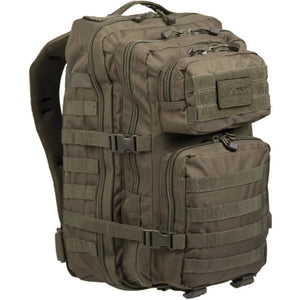
For such cases, it makes sense to have a Bug-out bag to prepare – lightweight, robust, ready to hand and on around 72 hours of self-sufficiency designed. It enables you to remain capable of acting while on the move and not forget important things.
You can find out exactly what belongs in such a backpack, how to pack it and what you should pay attention to in the article from the Crisis preparedness theme world: bug-out bag. There you will also find a detailed Packing list for bug-out bags, which you can customize individually.
A blackout is no longer an abstract scenario – it is a real possibility in an increasingly networked and vulnerable world. Those who prepare not only gain security, but also peace of mind and room for maneuver in an exceptional situation. One’s own Emergency preparedness is not a sign of fear, but an expression of responsibility – for yourself, your family and your environment.
With a well-thought-out stockpile, functioning Emergency equipment and clear Action plan you can also cope with a power outage lasting several days. The crucial thing in an emergency is to stay calm, to use resources consciously and to network with others. Last but not least, good mental preparation, not only to survive the state of emergency, but to actively shape it.
How intensively have you dealt with the topic of crisis preparedness and power outages?
Share your tips and thoughts on Emergency preparedness in the comments with ASMC community!

At ASMC Unlimited you will find our expanded range of batons, knives , free weapons , self-defense items , airsoft, air rifles and much more.
Pay securely with:


Secure shipping with:


1 comment
Wie schützt man sich bei längeren Krisen gegen Plünderung? Ich betreibe aktiv Vorsorge, andere nicht. Hunger weckt Begehrlichkeiten, muss ich meine Wohnung dann zur Festung umbauen?