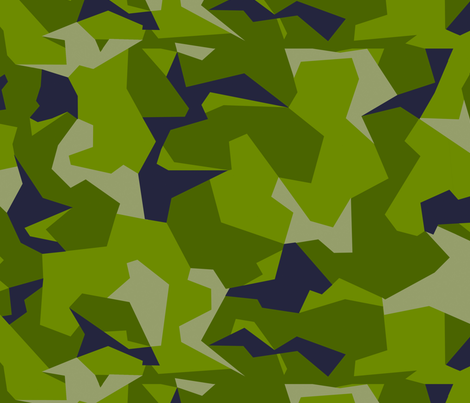
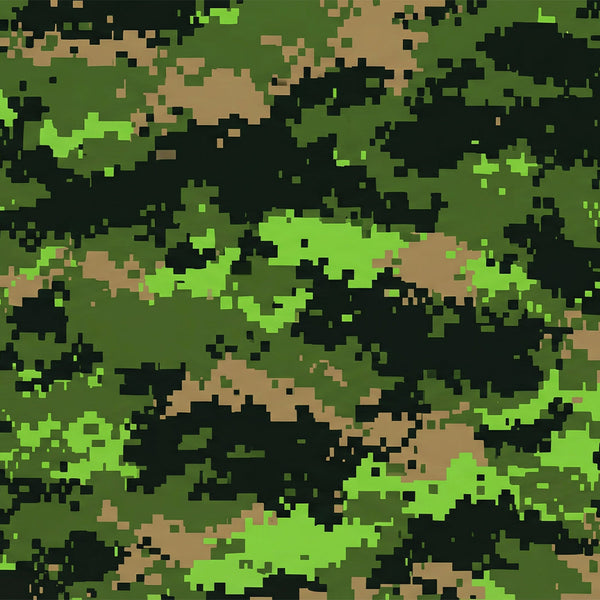
The Multi Terrain Pattern (MTP) is the modern camouflage pattern of the British Armed Forces, designed to effectively conceal soldiers in diverse operational environments. As a versatile digital camouflage, MTP combines elements for woodland, desert, and transitional areas and is today one of the most recognized military camouflage systems worldwide.
History of the Multi Terrain Pattern
The MTP camouflage pattern was introduced by the British Armed Forces in the late 2000s. Its goal was to replace the older DPM (Disruptive Pattern Material), which was primarily optimized for European woodland areas. With increasing overseas deployments — particularly in Afghanistan — the need for a more flexible camouflage pattern arose.
The result was the British MTP camouflage, which was widely deployed for the first time in 2010. Special attention was given during development to create a pattern that works in as many terrain types as possible without the need to switch between different uniform types.
Structure and Features of MTP
MTP is a multi-terrain camouflage system that combines different color and shape elements to effectively break up the wearer’s outline. Typical features of the pattern include:
- coordinated brown, sand, and green tones
- organically appearing, soft transitions
- optimized effectiveness in mixed terrain
- reduced silhouette visibility at medium distances
Unlike purely digital pixel patterns, MTP camouflage uses a hybrid structure that provides good concealment both at close and long ranges.
Operational Use of the MTP Camouflage
The MTP camouflage pattern is today standard issue for the British Armed Forces, including:
- British Army
- Royal Marines
- other supporting units
Its strength lies in its versatility. The pattern works especially well in:
- arid transitional zones
- lightly wooded regions
- steppe-like landscapes
- arid operational areas such as Afghanistan
This multi-terrain approach reduces the need for soldiers to frequently switch between different camouflage patterns.
Differences from Older British Camouflage Patterns
Before the introduction of MTP, the British Armed Forces predominantly used the DPM (Disruptive Pattern Material). This pattern was highly optimized for European woodland areas and featured comparatively large color blocks. In dry or desert-like regions, however, DPM showed significant limitations and provided only restricted camouflage effectiveness.
A Brief Look at the Past
1960s
Introduction of DPM (Disruptive Pattern Material) for European woodland areas, mainly used in the UK and Germany.
1990s
DPM increasingly used in overseas deployments, e.g., first missions in desert and transitional zones.
2000s
Growing need for a versatile camouflage pattern. Development of the Multi Terrain Pattern (MTP) begins.
2010
Wide deployment of MTP in the British Army. MTP replaces DPM in modern overseas operations.
Today
MTP is standard camouflage for the British Army & Royal Marines and is used worldwide across various terrain types.
Final Thoughts on MTP
The Multi Terrain Pattern (MTP) is a consistent evolution of British military camouflage. It combines digital and organic color structures, allowing soldiers flexible concealment in diverse operational environments. Its versatility reduces the need to switch between different uniforms, simplifying logistics and improving readiness. Additionally, MTP ensures that soldiers remain well camouflaged across different climates and terrains, enhancing safety during missions.
For more information about digital and classic camouflage patterns and their tactical use, check out our blog post: „Using Camouflage Patterns Effectively“.
Everything You Need to Know About MTP
1
What advantages does MTP have compared to other camouflage patterns?
MTP combines concealment for woodland, desert, and transitional areas in a single pattern. This reduces the need for soldiers to switch uniforms frequently, making camouflage more effective in diverse operational environments.
2
Is MTP only available to the British Armed Forces?
MTP is the standard camouflage pattern of the British Armed Forces, but it is also used by other countries as a reference or in special collaborations.
3
How does MTP differ from traditional digital camouflage patterns?
MTP combines digital elements with organically appearing color blocks. This allows it to be effective at both short and medium ranges without the typical “pixel” outlines of pure digital patterns.
4
In which operations has MTP proven its strengths?
Particularly in overseas operations in Afghanistan and similar arid, steppe-like, or transitional areas, MTP significantly enhanced camouflage effectiveness.
5
Are there different MTP versions for various units?
The standard version is used by the British Army and Royal Marines, but minor adaptations may exist for special forces or specific missions.