








Bug-out bag: packing list
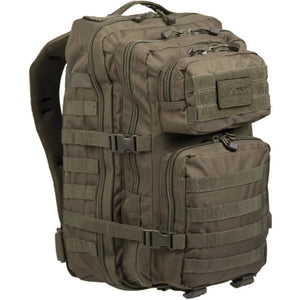
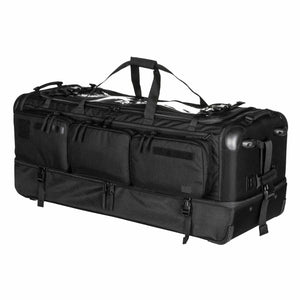
An emergency backpack, escape backpack or Bug Out Bag (BOB for short) is an essential preparation for unforeseen crises or disasters. Every backpack should be individually tailored to personal needs to ensure that you are optimally supplied in an emergency. The Federal Office of Civil Protection and Disaster Assistance (BBK) recommends that an emergency backpack should weigh 10–15% of your body weight to make it easier to carry in a crisis situation. It is important that each person packs their own backpack, as needs differ from person to person.
What belongs in a bug-out bag?
A bug-out bag should contain everything you need to survive in a crisis situation – this includes sufficient water and food, protection from cold and the elements as well as a way to sleep and stay warm.
Water
Wasser ist das wichtigste Element für das Überleben. Ein Mensch kann in der Regel bis zu drei Wochen ohne Nahrung überleben, jedoch nur drei bis fünf Tage ohne Wasser. Daher ist es entscheidend, ausreichend Trinkwasser mitzuführen. Ideal sind mindestens 2 Liter Wasser pro Tag pro Person, um sowohl den Durst zu stillen als auch für die persönliche Hygiene oder zum Kochen. Es gibt verschiedene Möglichkeiten, Wasser zu gewinnen:
- Wasserflasche (beachte bei der Lagerung von Wasserflaschen in Deinem Notfallrucksack das Mindesthaltbarkeitsdatum)
- Wasseraufbereitung mit Filter, Tabletten oder Tropfen
- Boiling water
- Notfalltrinkwasser in Packungen, das deutlich länger haltbar ist als Wasserflaschen
In Notsituationen kann es wichtig sein, Wasserquellen zu finden und diese mithilfe von Filtern oder Reinigungsmaßnahmen trinkbar zu machen.
Essen
Das Ziel ist es, genug Kalorien zu sich zu nehmen, um zu überleben. Bei der Auswahl der Lebensmittel für den Notfallrucksack solltest Du auf eine gute Nährstoffversorgung achten. Du kannst zwischen verschiedenen Lebensmittelarten wählen:
- Konserven: Diese sind relativ schwer und benötigen einen Dosenöffner, bieten jedoch eine lange Haltbarkeit und können auch kalt verzehrt werden.
- Freeze-dried food: It is lightweight and space-saving, but requires water for preparation. Sometimes you also need a pocket stove or heat packs.
- Notrationen (EPAs): Diese sind speziell für den Notfall konzipiert und bieten die Nährstoffe für einen ganzen Tag.
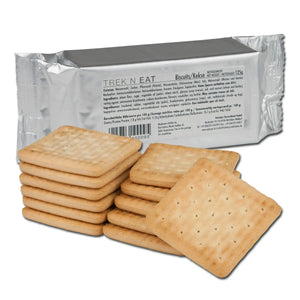
- Snacks: Lang haltbare Nahrungsmittel wie Nüsse, Kekse und getrocknetes Obst sind nützlich, um den Hunger zwischendurch zu stillen.
- Ready-to-eat meals or energy bars, which are also suitable for emergencies, can be a valuable addition.
In addition to these prepackaged foods, it can also be beneficial to learn about edible plants in your region so you can procure food yourself in an emergency. However, foraging for food in nature is never guaranteed and depends on your knowledge, the season and your place of residence. The rule is: if you’re not sure, you should not eat plants or mushrooms from the wild.
Schlafen
Im Notfall ist der Schlaf genauso wichtig wie die richtige Ernährung und Wasserzufuhr. Es gibt verschiedene Möglichkeiten, sich in einer Notfallsituation warm und komfortabel zu halten:
- Emergency blanket: Provides protection from cold and heat and is particularly useful in the transitional seasons.
- Wolldecke: Ist wärmer und bietet einen gewissen Komfort.
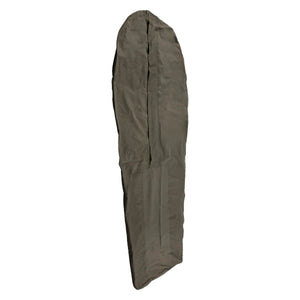
- Notfallschlafsack oder Biwaksack: Sie bieten guten Schutz vor Wind und Wetter.
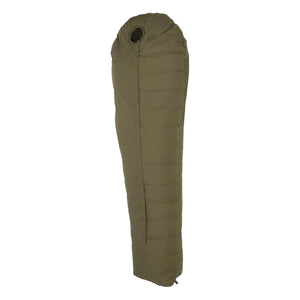
- Schlafsack: Bietet in den meisten Situationen den besten Schutz und Komfort.
- Isomatte: Isoliert den Körper vor Kälte vom Boden und sorgt für besseren Schlafkomfort.
Another important point: because you move less while sleeping, protection against hypothermia is especially important. On cold nights, it is crucial that you wrap up warmly. Fire can also help generate warmth to stabilize your body temperature and dry wet clothing.
Warmth
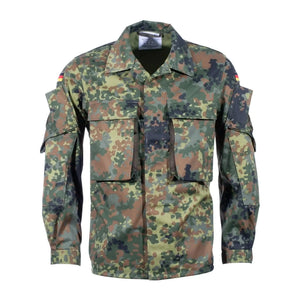
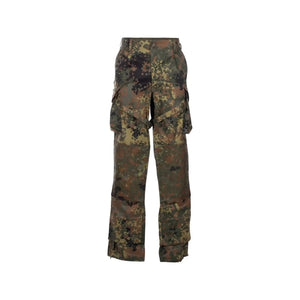
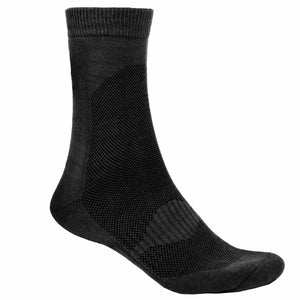
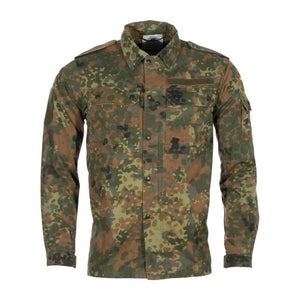
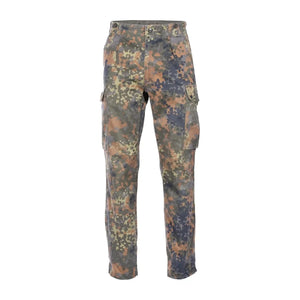
The right clothing is crucial to protect yourself from the elements. Several layers of clothing (onion principle) are particularly advantageous, as they are suitable for all seasons. Depending on the weather, you can put on or take off layers. It is advisable to choose clothing with water-repellent and weatherproof properties that protect you from rain and wind.
Other important points:
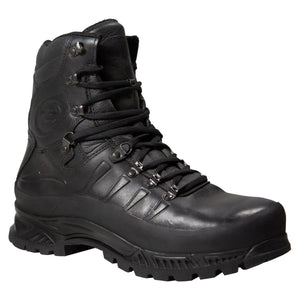
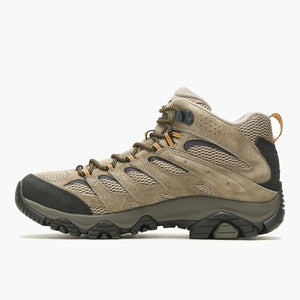
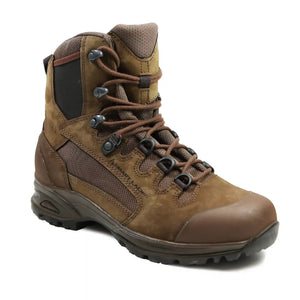
- Sturdy, robust footwear for rough terrain and long distances.
- Kopfbedeckung oder Mütze, da man über den Kopf viel Wärme verliert.
- Gloves that both protect against the cold and are useful for work.
Zum Feuer machen gibt es verschiedene Möglichkeiten: Feuerstarter, Magnesiumfeuerstarter, Streichhölzer, Feuerstahl und Sturmfeuerzeuge. Feuer hilft nicht nur, Dich warm zu halten, sondern auch bei der Zubereitung von Nahrung und beim Trocknen von Kleidung.
Erste Hilfe
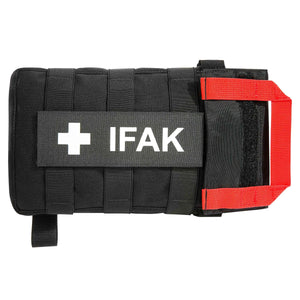
A well-equipped first-aid kit is indispensable, as hospitals and doctors are often not accessible in crisis situations. Injuries can quickly worsen, so it is important to treat minor wounds quickly and stop bleeding. Your first-aid kit should be easily accessible so that you can react immediately in an emergency. In addition, you should:
- Personal medication: If you need medication regularly, make sure you have an adequate supply with you.
- Schmerzmittel können ebenfalls hilfreich sein, falls Du Kopfschmerzen oder andere Beschwerden hast.
- Desinfektionsmittel: Es dient nicht nur dazu, Wunden zu reinigen und Infektionen vorzubeugen, sondern schützt auch davor, Krankheiten zu übertragen.
- Atemschutzmasken sind sowohl wichtig bei der Prävention von Krankheiten, aber auch zum Schutz vor Staub geeignet.
Lichtquelle und Kommunikation
In a crisis situation, power outages are often likely, so alternative light sources and power sources are crucial. The following equipment can be important:
- Flashlights and headlamps (so you have both hands free)
- Kerzen und Notlichter
- Power banks for charging devices such as phones or tablets.
- Emergency radio to stay informed about evacuation and rescue measures.
Hygiene
Hygiene items are also indispensable, as poor hygiene can lead to infections and disease. The most important hygiene items include:
- Soap
- Zahnbürste und Zahnpasta
- Feuchttücher
Es ist ratsam, auch ein Handtuch und ein Klo-Set für den Notfall mitzuführen.
Tools
Ein gut durchdachtes Werkzeug-Set im Fluchtrucksack kann in einer Krisensituation den entscheidenden Unterschied machen. Es hilft Dir, Unterkünfte zu improvisieren, Nahrung zuzubereiten oder Ausrüstung zu reparieren. Folgende Werkzeuge sind besonders sinnvoll:
- Multitool – A compact tool with knife, pliers, screwdriver and other functions saves space and replaces several individual tools.
- Folding knife or fixed-blade knife – A sturdy knife is essential for cutting materials, preparing food or doing manual work.
- Saw or wire saw – practical for cutting wood for fires or building an emergency shelter.
- Folding shovel – Helpful for digging fire pits, drainage ditches or burying waste. Can be folded up to save space.
- Paracord oder Seil – Vielseitig einsetzbar für das Bauen von Unterkünften, das Sichern von Ausrüstung oder das Reparieren von Gegenständen.
- Klebeband (z. B. Duct Tape) – Extrem nützlich für schnelle Reparaturen an Ausrüstung, Kleidung oder Zelten. Du musst nicht die ganze Rolle mitnehmen – ein Stück Klebeband lässt sich platzsparend auf einem kleinen Gegenstand aufrollen.
A well-equipped tool kit can help you solve unexpected problems and keep you independent for an indefinite period of time. Make sure your bug-out bag contains the right tools so you can remain capable of action in any situation.
Documents
Personal documents such as your passport, vaccination card and identity card are essential, but difficult to pack in advance because you need them in everyday life. However, it is important to pack these documents in a waterproof way in an emergency to prevent their destruction or loss.
Cash
You should also not be without sufficient cash. In crises and disasters, bank cards may not work and you may still need to make purchases. It’s advisable to stow coins and bills in your backpack so you’re prepared for all eventualities.
Your backpack for your needs!
The contents of the emergency backpack should be tailored to your individual needs. Think about what is important to you and make sure the backpack does not become too heavy, as you need to stay mobile in a crisis situation. A packing list helps you keep track and regularly check what you have already packed and what still needs to be added, such as medication, documents or keys. Also remember to check the shelf life of food and medication regularly. If you pack your backpack correctly, you can optimally prepare for crises and disasters! Let’s go!
If you don’t want to put together your bug-out bag yourself, you’ll find three pre-assembled variants for optimal crisis preparedness in the ASMC shop and in the Themenwelten article Krisenvorsorge – Fluchtrucksack: the Fluchtrucksack Small – 3 days, Fluchtrucksack Medium – 7 days and the Fluchtrucksack Large – 10 days. These supply you with food and tools for the respective period and can be individually adapted to your needs with personal clothing and more. The ASMC bug-out bags come with a practical checklist.


