








































Login
Your benefits:
- Du sammelst mit jeder Aktivität XPs. Gear up und erreiche den nächsten Rang!
- Übersicht über Deine Bestellungen und den aktuellen Bestellstatus
- Schnelle & komfortable Bestellung


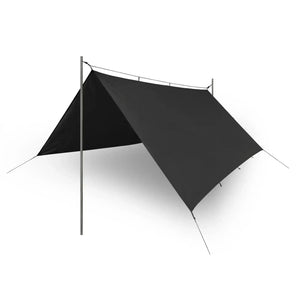
A waterproofing treatment is applied to fabrics that are exposed to the elements. Tents, clothing, shoes, sun sails, but also folding roofs on trucks and convertibles are impregnated. The fabrics are also protected against mold and moisture.
From time to time it is necessary to use fabrics in outdoor settings. However, these are quite susceptible to moisture. Dampness can destroy the fabrics and can also lead to mold growth. Impregnation (i.e. making them resistant to liquids) provides very long-lasting protection for these sensitive materials. It acts like a layer that lies over the fabric and seals the pores. Moisture can no longer penetrate. This also protects against mold. Application is very simple. The waterproofing agent is supplied in pressure or spray bottles and is simply sprayed on. If the material to be protected is used regularly, this procedure should be repeated at least once a year.
ASMC offers waterproofing products, for example from Nikwax, that are tailored to their specific intended use. The various fabrics used outdoors have different requirements that must be met. There are also special protective coatings for leather. These are particularly useful for light-colored leathers, as impregnation prevents them from attracting dirt so quickly. The bottles are usually quite handy, so they can be easily stowed in your luggage for outdoor use.
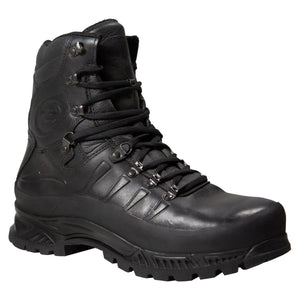
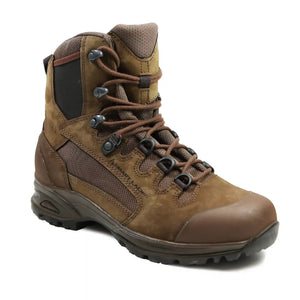
This depends on the type of shoe. The type and intensity of application and which product is best to use are based on this. In some cases, it may even be better to forgo waterproofing altogether. For example, if you only hike in sunny weather, the breathability of the shoes may be more important than protection against moisture. As a basic rule, waterproofing should definitely be carried out before the first care treatment so that it can take effect as well as possible. If care products are then applied after a certain drying time, the ideal combination is achieved. However, because one or more such protective and care layers can also restrict the breathability of the shoe, it is especially important with leather shoes to alternate pairs every day. This gives them enough time to dry out again and to slowly release the moisture they have absorbed during wear – even without adverse external influences – back into the environment (duration of “acclimatization” = ~24 h). Specifically for protecting this shoe material, there is also leather grease.
All other shoes should be treated as described in the instructions for the respective waterproofing agent to make them water-repellent. More interesting shoe-care tips can also be found at the German Shoe Institute.
Not only fabrics such as clothing, hiking boots or tents can be impregnated to protect them from rain and moisture. Tiles, for example on the patio, also stay attractive for longer when they are impregnated. This applies in particular to the grout, as it otherwise absorbs dirt the fastest due to its rough surface. Of course, this is also worthwhile in the bathroom and shower, where water – and therefore limescale – can come into contact with them every day. But everyday items such as sofas can also be given this kind of surface protection.
Hydrophobization, in other words making something water-repellent, is still occasionally used. Otherwise, the word comes from Latin and literally means “to impregnate.” The figurative meaning probably stems from the idea of “soaking” the material with a protective substance. A so‑called nano coating additionally provides protection that penetrates into the tiniest pores.
In addition to classic options such as waterproofing a fabric at home afterwards with a spray, there are various industrial processes:
- Padding
- Dipping
- Spraying
- Print impregnation
- Padding (kiss-roll)
Unfortunately, yes. So-called perfluorinated surfactants from waterproofing agents, which are used primarily on breathable textiles, can enter the environment via wastewater. There they can accumulate because their composition is not naturally biodegradable.
In general, both are discouraged, especially putting them in a tumble dryer. However, you should really always rely on the manufacturer’s washing and care instructions.
This depends on which product is used on which material. Since the information varies too much to be generalized and everyone has different usage patterns, the only recommendation here is to read the instructions for the agent or the ready-made item.


Shipping to Almost Everywhere
Shipped to you within 1–2 business days

Completely risk-free
Top reviews, certified shop & 31-day satisfaction guarantee

Pay flexibly
Pay securely and flexibly with PayPal and more

Loyalty is rewarded
In the ASMC Prime League, you'll receive attractive discounts
Pay securely with:


Secure shipping with:


