





Carinthia
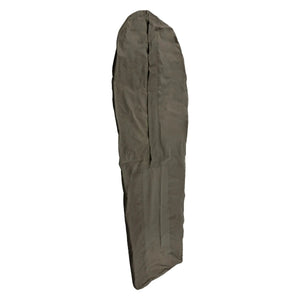
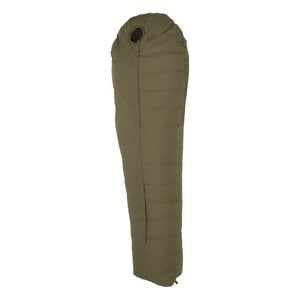
Sleeping bag Defence 6
248,66 €
223,79 €


A winter sleeping bag for extreme temperatures is essential for safety and recovery when winter camping. In this guide, you’ll learn what to look for in sleeping bags designed for extreme sub-zero temperatures and how to stay warm even at −30 °C.
When buying a sleeping bag for winter camping, the temperature ratings are crucial. Manufacturers follow the EN ISO 23537-1 standard to make thermal performance comparable.
Tip: Always plan in a safety buffer. Tiredness, dampness or illness significantly reduce your perception of cold.
Three values are specified:
Comfort temperature |
limit temperature |
extreme temperature |
|
Describes the temperature at which an average woman (approx. 25 years, 60 kg, 160 cm) can sleep comfortably without feeling cold. |
Describes the temperature at which an average man (approx. 25 years, 60 kg, 160 cm) can just about sleep, but may feel cold. |
Describes the temperature at which an average man (approx. 25 years, 60 kg, 160 cm) will survive but be extremely cold and at risk of hypothermia. |
Down sleeping bags are filled with down from ducks and geese and offer excellent insulation at low weight.
Advantages:
Disadvantages:
Ideal for: winter camping in dry cold, snow camps, expeditions.
Synthetic-fiber sleeping bags are robust, easy to care for and provide reliable insulation even when wet.
Advantages:
Disadvantages:
Ideal for: damp, changeable winter conditions.

The mummy sleeping bag fits closely to the body and minimizes air pockets, which reduces heat loss.
✔ Best thermal performance
✔ Lightweight
✘ Less freedom of movement

The egg-shaped sleeping bag offers more space in the shoulder and knee area while still providing good insulation.

The blanket sleeping bag’s rectangular cut allows it to be fully opened – ideal as a blanket, but unsuitable for extreme sub-zero temperatures.
What counts above all is warmth, and in such situations a mummy sleeping bag is the most suitable. Thanks to its body-hugging shape and effective insulation, hardly any cold air remains inside, making it particularly efficient.
A good sleeping pad with a high R-value (thermal resistance) is essential:
Even the best winter sleeping bag can only retain its warmth if the insulation against the ground is adequate. For winter camping and extreme sub-zero temperatures, a sleeping pad with a high R-value has proven effective, such as the Savotta FDF Sleeping Pad, which you can additionally plan to use if needed.
So you’re lying in your winter sleeping bag with good insulation underneath you, but you’re still cold – so what can you do? A few tricks to make the sleeping bag warmer for a cold night could look like this:
A sleeping bag liner provides additional warmth, increases comfort and at the same time protects the main sleeping bag from sweat and dirt – particularly helpful on longer tours or in extreme temperatures.

Pay particular attention to:
Additional accessories such as sleeping pads, liners, or hot water bottles further increase comfort. Now you’re ready for icy nights – with the right sleeping bag you’ll stay warm, comfortable, and mobile.

Dutch sleeping bag Defence Modular olive used


Sleeping bag The Olif 35 Winter olive


Sleeping bag Sleeper Extreme WGTE


Shipping to Almost Everywhere
Shipped to you within 1–2 business days

Completely risk-free
Top reviews, certified shop & 31-day satisfaction guarantee

Pay flexibly
Pay securely and flexibly with PayPal and more

Loyalty is rewarded
In the ASMC Prime League, you'll receive attractive discounts
Pay securely with:


Secure shipping with: