









LOWA
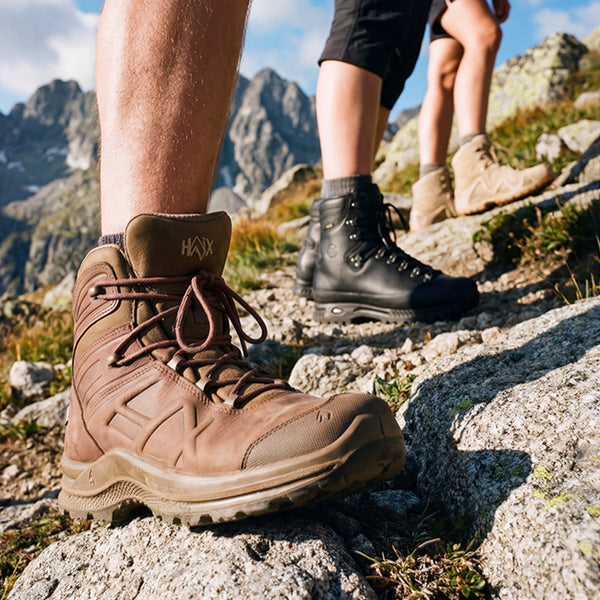
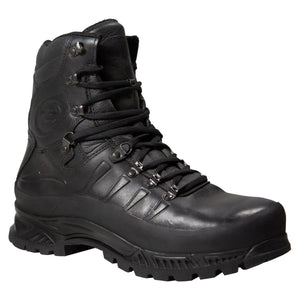
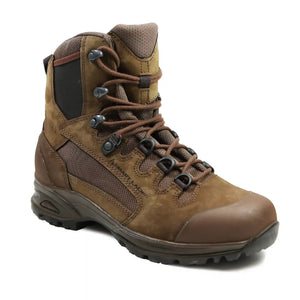
Zephyr GTX MID TF duty boots
from 142,77 €
from 120,13 €


Marching, hiking, mission-ready – with the right boots you’re equipped for any adventure. Rugged mountain boots, comfortable trekking boots or mission-ready duty boots – your choice of boots determines your comfort, stability and safety with every step.
Before you decide on a boot, you should be clear about which area of use is relevant for you. Not every boot is suitable for every type of terrain or level of strain. Consider whether you will be on trekking trails, in alpine terrain or on demanding outdoor missions. Your choice should depend on comfort, stability, material and intended use so that you can enjoy your boots for a long time.
On trekking trails, in alpine terrain or during demanding outdoor missions, every detail counts: a non-slip sole, stable ankle support and durable materials ensure that you stay safe on your feet even in wet, rough or rocky terrain.
When choosing the right boots, several factors matter: comfort, stability, weight, and intended use. Pay attention to the materials – sturdy leather or breathable fabrics provide good support and a comfortable climate inside the shoe. The sole should offer good grip on various surfaces, while the cushioning makes long marches or hikes easier.
Another important factor is the fit: boots must fit firmly but not pinch in order to avoid blisters and fatigue. Flexibility and weight also play a role – the lighter and more flexible a boot, the more comfortable it is on longer tours or fast-paced missions.
There are also many models in different shaft heights: Low, Mid and High – depending on whether you prefer maximum freedom of movement, medium ankle protection or comprehensive stability. In the next section you will find out which shaft height is best suited to your mission.
Many boot models are available in Low, Mid and High – depending on area of use, protection required and freedom of movement. This overview helps you choose the right shaft height:
| Shaft height | Description | Benefits | Disadvantages |
|---|---|---|---|
| Low | At the ankle or slightly below | Maximum freedom of movement, lightweight, ideal for rapid deployments or flat terrain | Low ankle protection, less stability on uneven terrain |
| Mid | Ankle to just above | Good compromise between protection and mobility, suitable for many uses | Slightly heavier than low-cut models, freedom of movement slightly restricted |
| High | High above the ankle | Optimal ankle protection, high stability, especially for uneven terrain or heavy loads | Heavier, restricted mobility, and quicker fatigue on long marches |
Every boot has its own area of use – from lightweight athletic models to robust mountain or duty boots. Take a look at the variety of our boots and find the model that will carry you safely and comfortably through every adventure.

Duty boots are made from particularly robust leather or durable textiles. These materials ensure maximum durability, reliable weather protection and a pleasant foot climate – even during long missions or under heavy loads.
The sturdy shaft provides comprehensive ankle protection and prevents twisting on uneven terrain. Non-slip lug soles guarantee secure grip on gravel, forest paths or wet ground. Compared to combat boots, duty boots are often somewhat heavier and less flexible, but the focus is more on stability and protection during long marches or in demanding terrain.
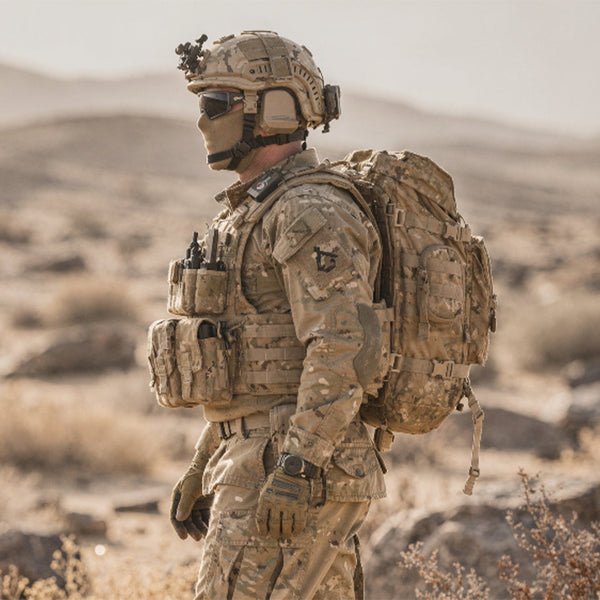
Duty boots have their origin in the military sector, where, for example, Bundeswehr soldiers relied on durability, stability and weather resistance. Modern models still incorporate these characteristics and combine them with ergonomic details and improved materials, making them ideally suited for outdoor adventures or professional use.

Combat boots are often made from robust leather and durable textiles. These materials are abrasion-resistant, breathable and keep your feet comfortably tempered even during longer missions.
The shaft provides solid ankle protection, while the soles are non-slip and flexible. This ensures that your feet retain secure grip and comfort even on uneven terrain, during quick changes of direction or long marches. Unlike duty boots, combat boots are often lighter and more flexible, making quick movements and training sessions easier.
Combat boots have their origins in the military, where Bundeswehr soldiers needed reliable protection and mobility on long marches and during tactical exercises. Modern models build on these proven characteristics and combine them with new materials to make them suitable for outdoor training or longer patrols.

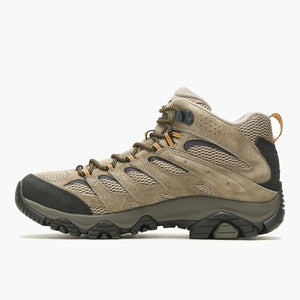
Trekking boots are usually made of breathable, water-repellent textiles. These materials protect your feet from moisture and cold, while being lightweight and flexible, ensuring they remain at a comfortable temperature even on longer hikes.
The shaft provides stable support for ankles and joints, while the soles are non-slip and flexible. This way, your feet maintain a secure grip on rocks, forest paths or uneven terrain. At the same time, the cushioned soles relieve stress on knees and joints, even during hours of walking or demanding tours.
Trekking boots have their origin in the mountaineering and hiking movement, where reliable protection and stability on changing terrain were crucial.

Mountain boots are made of durable textiles that are abrasion-resistant and weatherproof. Breathable membranes ensure that your feet stay dry and comfortably warm even on long tours.
The high shaft provides reliable ankle protection, while the non-slip yet flexible soles ensure secure footing on steep paths, scree fields or wet ground. At the same time, stable cushioning and an ergonomic fit help protect knees and joints even on longer hikes.
Mountain boots have their origin in the robust boots of the Bundeswehr, but have been further developed for civilian mountain and hiking use. Anyone who wants to learn more about the history and characteristics of mountain boots can do so in our blog post: Mountain boots.

Trail shoes are made from robust, flexible textiles and in some cases leather that are abrasion-resistant and breathable. This keeps your feet at a comfortable temperature even on longer tours, while the light weight does not restrict your mobility.
The soles provide reliable grip on forest paths, gravel tracks or light terrain, while the flexible construction allows quick changes of direction and comfortable walking even over longer distances. This means trail shoes combine stability with a high level of comfort.
Trail shoes were originally developed for versatile outdoor activities where you have to cope with different surfaces and variable conditions.

Athletic boots are made from lightweight, breathable textiles that ensure a dry foot climate and allow for quick movements. The flexible material adapts to the foot without restricting freedom of movement.
The soles are lightweight, flexible and provide secure grip on uneven terrain. Although athletic boots offer less protection than classic duty or mountain boots, they provide sufficient stability for quick changes of direction, training sessions or trail runs.
Athletic boots were originally developed for dynamic outdoor activities and sporting use where speed and agility are crucial.
New boots should be broken in gradually so they can adapt to your feet and prevent blisters. Properly laced boots provide a secure fit, stabilize the ankle, and improve comfort on long marches or hikes.
Regular care of leather or textile boots extends their service life, maintains their waterproofing and ensures a pleasant foot climate. Storing them at room temperature in a dry place also protects the material from mold and deformation.
Another important point: The choice of the right boot depends on the area of use. Different types of terrain and weather conditions require different models – a well-chosen boot makes every step easier and offers reliable protection.
Athletic boots for fast outdoor activities, terrain shoes for versatile surfaces, trekking boots for long hikes or robust mountain and duty boots – the choice of the right boot determines comfort, stability and safety. Material, weight, shaft height and sole profile should match the area of use.
Modern boots combine the proven features of traditional models with new technologies: breathable membranes, flexible soles and ergonomic fits ensure high wearing comfort on longer tours and demanding missions. Non-slip treads and stable support protect feet and joints and enhance performance.
A deliberate choice of boots supports every movement, improves sure-footedness and increases the enjoyment of outdoor activities. Compare models and areas of use to find the boot that offers reliable protection and maximum performance.
Boots fit properly when they sit firmly at the heel, do not cause pressure points, and do not slip sideways when walking. Your toes should have a bit of wiggle room at the front without your foot “hanging” in the boot.
If you’re unsure, a look at the ASMC size chart will help – there you’ll find tips on how to measure your feet correctly and choose the right size.
Proper care extends the life of your boots and keeps them comfortable and weatherproof. This includes regular cleaning, waterproofing and, if necessary, re-greasing leather boots. Textile boots also benefit from gentle cleaning and water-repellent treatment.
You will find suitable accessories in our shoe care accessories, which are specially designed for boots.
The right shaft height depends on your mission and your priorities:
Our shaft-height table at the top of the article summarizes the differences clearly once again.


Shipping to Almost Everywhere
Shipped to you within 1–2 business days

Completely risk-free
Top reviews, certified shop & 31-day satisfaction guarantee

Pay flexibly
Pay securely and flexibly with PayPal and more

Loyalty is rewarded
In the ASMC Prime League, you'll receive attractive discounts
Pay securely with:


Secure shipping with: