











Mountain boots
When the paths end: the mountaineering boot
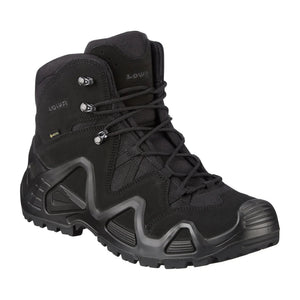
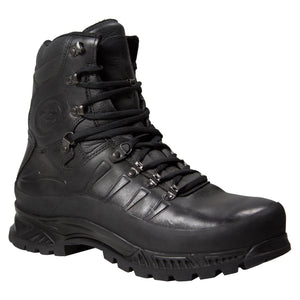
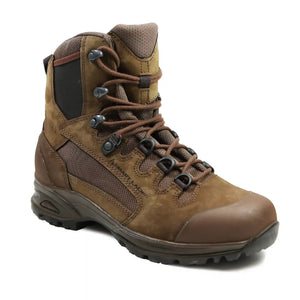
Mountain boots are intended for tours in alpine and high-alpine terrain and are also suitable for crossing glaciers and ice. These comparatively heavy boots are characterized by a stiff, torsion-resistant sole and a high shaft.
Features and key characteristics of mountain boots
When there are no more established trails and you move into difficult, high-alpine terrain, that’s where mountaineering boots come into their own. They allow you to tackle tours through challenging terrain as well as across glaciers, ice and snow. They are excellent for via ferratas and easy climbing sections. In addition, they usually have a mount for crampons with lever bindings. Mountaineering boots are typically equipped with a waterproof membrane and are made from lightweight synthetic materials.
A particularly important feature of mountain boots is the stiff, torsion-resistant sole. It allows you to maintain secure footing even on small holds, rungs and ledges. However, the soles are not completely flat, but slightly curved. This curvature makes rolling the foot easier and enables the wearer to cover longer distances.
What should you pay particular attention to when buying mountaineering boots?
If the chosen route covers long distances through icy terrain or glaciers, it is advisable to choose models with additional insulation to protect your feet from the cold. If climbing tours on steep ice walls or particularly demanding climbing sections are planned, you should choose a model that has a mount for step-in crampons. The soles of these boots are even more rigid, which makes it easier to stand on the front points of the crampons for longer periods. Some models also come with integrated gaiters to provide reliable protection against water ingress.
For particularly demanding high-alpine tours, you should use a mountaineering boot with a separate inner boot. These boots are significantly warmer, easier to dry and don’t have to be taken off for the sleeping bag. The lacing systems are designed so they can be operated while wearing gloves.
Caring for mountain boots properly Care
To protect the boot’s membrane permanently, it’s advisable to always use a suitable shoe polish recommended by the manufacturer. If the boots are not used for an extended period, they should be stored in a dry place. The shoebox, incidentally, is also excellent for this purpose.
Questions: Mountaineering boots
How do I find the right size
You should allow enough time when buying a mountaineering boot to try on the models in question at your leisure. It is advisable to wear the hiking socks you intend to use on your upcoming tour when trying them on. When trying on, particular attention should be paid to a smooth rolling motion, with the roll-off point ideally sitting directly under the ball of the foot.
Mountain shoes, mountain boots and alpine boots – which is right for which purpose?
For easy via ferrata routes and low mountain hikes off the beaten track, a light mountain shoe is sufficient. It can also be used for mountain tours as long as no glacier or ice needs to be crossed. When the terrain becomes more demanding, a mountain boot is the best choice. For expeditions and challenging tours in extreme terrain, an alpine or high-altitude boot is more suitable. Their sole is extremely stiff and has only minimal cushioning so that they can also take fully automatic crampons.


