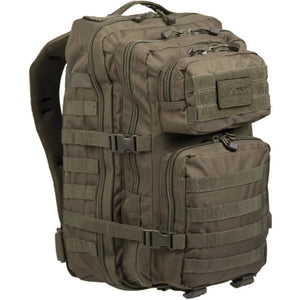






Children’s trekking backpack Wokin 15
from 63,03 €
from 46,18 €


The backpacks can be used without any preparation. Essentially, there are no special features that need to be observed. Reading the user manual provides valuable information on the construction, use and properties or functions of the backpacks, which can sometimes differ significantly.
Tip: Before using the backpack, it should always be adjusted to the size of the wearer. This protects the back and ensures optimal carrying comfort.
The backpack should not only allow its wearer to carry items, but also protect them from the elements. Neat storage in the various backpack compartments allows quick and easy access. Before putting on the backpack, make sure that all zippers are properly closed.
Before choosing the right backpack, you should take a look at its design. Backpacks can be used for many different purposes, but depending on how you intend to use it, a different model may be advisable. The camouflage colors, for example, should be matched to the area of operation. Effective camouflage is only possible in this way. The second important selection criterion is the size and volume of the backpack. The models in our range have different capacities and larger or smaller side pockets. In addition to purely functional and practical considerations, you should also make sure that the backpack harmonizes with the rest of your clothing. Strong color deviations can impair the overall look and reduce the camouflage effect. The choice should not be based on the manufacturer. We are aware of our quality standards and have therefore stocked our range exclusively with products from renowned brand manufacturers. The material of most backpacks is polyester. This ensures optimal resistance to external weather influences such as rain, snow and sunlight when backpacking. If you want additional protection against damp and wet conditions, you can also use a rain cover that is specially designed to keep the backpack and its contents dry. The weight of the backpacks is generally around one kilogram, with no major differences in this respect. Some backpacks have a removable hip belt and padded shoulder straps. Carry handles can be an advantage depending on how the pack is used. Many models feature a breathable back panel and shoulder straps that prevent sweat from being absorbed.
Expand your backpack’s volume by attaching a MOLLE system. MOLLE is a military system for fastening and carrying equipment and items. The system is extremely versatile and compatible. MOLLE pouches can be attached anywhere you like on the backpack. The loops are sewn vertically onto the MOLLE carrier so that the MOLLE straps and compression straps can be perfectly interwoven.
The list is, of course, intended only as a suggestion and should be modified according to circumstances and personal preference.
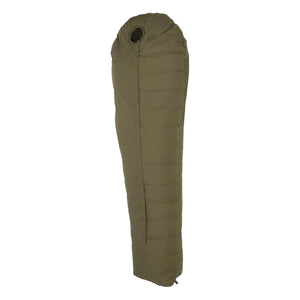
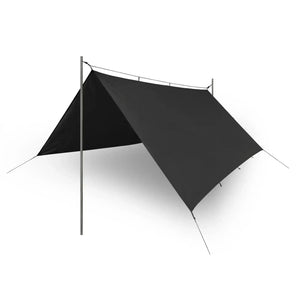
Functional jacket and rain pants, softshell jacket, trekking pants, possibly shorts, fleece/insulation jacket, functional underwear (T‑shirt or shirt, possibly briefs), hiking/trekking socks, hiking/trekking boots, sun hat/cap, beanie or headband, rain cover/waterproof liner, first‑aid kit, hiking map/guidebook, compass, GPS device, multifunction watch, Swiss Army knife, documents, tickets, sunglasses/glacier glasses, sunscreen, lip balm, mobile phone and, if available, spare battery or portable power bank, hydration bladder or bottles, tent (incl. poles, pegs, guylines), sleeping bag, sleeping pad, stove (possibly with pump), fuel bottle/gas cartridge, windscreen, 2 lighters, stove, 1 pot with lid, pliers, cup, spoon, EPA trekking food, toilet paper, water bag (at least 4 l), water purification/water filter, repair kit (for tent, sleeping pad, etc.).
Grip the carry handle with your left hand and reach under the shoulder strap with your right. Place your left foot in front of the backpack with your leg slightly bent. Then swing the backpack up towards you and rest it on your left knee. Let go of the carry handle. Next, reach through under the shoulder strap and further under the bottom of the backpack, and heave the backpack up onto your back with a swinging motion of your right hand. Now bring your right arm under the shoulder pad and the backpack is on your shoulders.
There are laundry disinfectants, e.g. from Sagrotan, but also no-name products. You add these to the fabric softener compartment of the washing machine, or you can use grandma’s trick with vinegar essence – the vinegar smell disappears quickly in the air.
To reduce the overall weight, it’s not enough to just buy lightweight gear and throw it into your backpack. Instead, you need to engage intensively with the planned tour and know your own abilities, needs and experience. Why is that? Imagine you’ve packed the lightest version of everything, but at the end of the tour you realize that half of what you brought wasn’t needed at all. The lowest possible weight can therefore only be achieved if the equipment is selected with good planning and common sense.
You can certainly save some weight, as mentioned in the previous section. What you absolutely must take on tour, however, is:
- A document for identification (passport/ID card),
- debit/credit card as well as your health insurance card (for emergencies),
- duct tape,
- wet wipes and
- earplugs.
In addition to these essentials, it is advisable to carry a personalized dog tag. It not only serves as an additional means of identification, but can also be helpful in emergencies by quickly providing important information such as names and contact details.
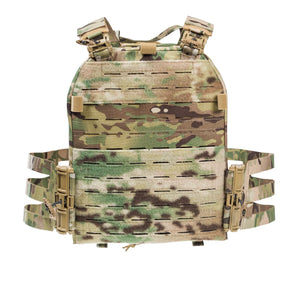
There are various alternatives to a backpack: WEB gear / LBE (Load‑Bearing Equipment) and LCE (Load‑Carrying Equipment). All are easy to handle and, depending on the intended use, offer a good alternative to a backpack.


Shipping to Almost Everywhere
Shipped to you within 1–2 business days

Completely risk-free
Top reviews, certified shop & 31-day satisfaction guarantee

Pay flexibly
Pay securely and flexibly with PayPal and more

Loyalty is rewarded
In the ASMC Prime League, you'll receive attractive discounts
Pay securely with:


Secure shipping with:


