









ASMC
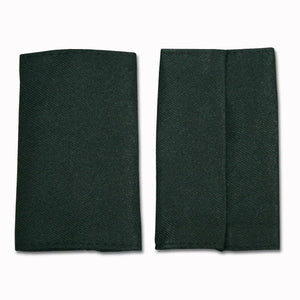
Name tapes set of 5 olive
from 7,55 €
from 6,42 €


A stun gun is typically a non-lethal weapon primarily carried and used for self-defense. This weapon, also known as an electroshock device, operates on the principle of a controlled electric shock and is designed to temporarily incapacitate attackers without causing lasting harm.
The technology of a stun gun makes it possible, through induction, to generate a very high output voltage – for example 200,000 or 500,000 volts – from a comparatively low battery voltage of 1.5 to 12 volts. This voltage is supplied to the two metal contacts when needed or at the push of a button, at the same moment they are brought into contact with the attacker’s body, causing them to receive an electric shock. If the device is activated without being in contact with a target object, a kind of arc of light appears between the two contacts, from which the voltage can be estimated. One millimetre of distance corresponds to roughly 1,000 volts. Electric impulse devices sold in Germany must meet the requirements of the Physikalisch-Technische Bundesanstalt (PTB) and be tested by it. Such devices can be recognised by the PTB test seal. Stun guns are usually powered by standard 9-volt block batteries available in stores.
Even though stun guns are considered non-lethal weapons, their use can still be dangerous. Using a stun gun is always associated with acute, extremely severe pain for the person hit. For people with heart conditions or a pacemaker, prolonged exposure can even be fatal. The aim of using such weapons is to paralyze both the motor and sensory nervous systems of the person hit and thus incapacitate them. Their muscles are usually paralyzed for a few minutes after use, which gives the user time to escape, for example, if the device was used for self-defense.
Stun guns come in various designs, with the handheld device being the most common. The handheld device is modeled on a pistol grip and is comparatively small, which means it can also be carried concealed. Most stun guns offered for self-defense are of this type. In addition, there are baton-style devices where the contacts are mounted at the tip of a rod, giving them a greater reach. An even greater range can be achieved with stun-gun pistols, also known as Tasers. This pistol fires projectiles that remain connected to the weapon by wires and have barbs at their tips. Many handheld devices now feature a wrist strap with a safety mechanism. The strap is placed around the wrist beforehand. If the device is wrested from the user during an attack, the strap detaches from the device along with an attached safety pin, rendering the device inoperable. This prevents the attacker from using the device against you.
The output voltage of a stun gun can reach several hundred thousand volts. However, it only uses a comparatively weak current of a few amps.
Electric impulse devices cause very severe pain in the person hit, but generally do not leave any permanent damage. In addition to the electric shock, there may also be minor burns at the points of contact. However, injuries resulting from the use of the device or the shock itself cannot be ruled out. For example, the target person could fall down a flight of stairs due to the paralysis that sets in.
Stun guns can have a fatal effect on people with weak hearts. Over the last 10 years alone, several hundred people in North America have died as a result of the use of stun guns.


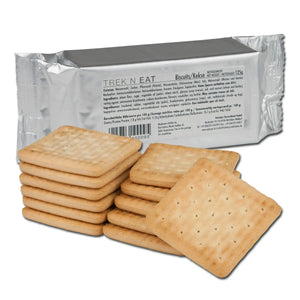
Trekking biscuits


Name tag plastic


Cold-weather protection jacket HIG Jacket Spezialkräfte


BW insignia with Velcro

Mess kit Camp-A-Box 2-piece olive

Emergency Ration NRG-5


Energy Caffeine Milk Chocolate 100 g

Used BW sleeping bag pad


Shipping to Almost Everywhere
Shipped to you within 1–2 business days

Completely risk-free
Top reviews, certified shop & 31-day satisfaction guarantee

Pay flexibly
Pay securely and flexibly with PayPal and more

Loyalty is rewarded
In the ASMC Prime League, you'll receive attractive discounts
Pay securely with:


Secure shipping with: