




ASMC
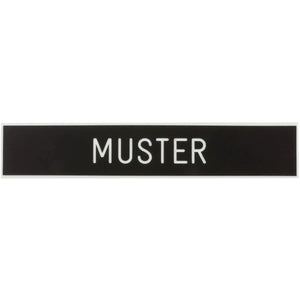
Name tapes set of 5 olive
from 7,55 €


MARPAT is the abbreviation for “MARine PATtern”. The pattern itself consists of individual pixels and therefore counts as a digital camouflage pattern. The common variants are woodland, desert and urban.
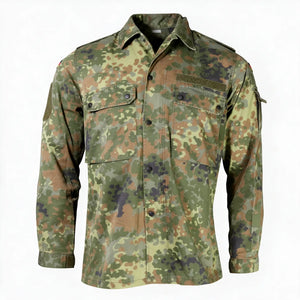
The aim of the development was to find a pattern with the smallest possible spot distribution, similar to the Flecktarn used in Germany since 1990. Around 150 patterns were examined, three of which ultimately made the shortlist, including the “tiger stripes” developed for the Vietnam War. The selected camouflage patterns were then further developed so they could be used in the widest possible range of environments. During testing, the camouflage pattern impressed with a particular advantage: the clothing retains its camouflage and concealment properties when wet and during night operations, even when infrared and night vision are used for reconnaissance. Due to the pixelation, the individual colours blend together, which is why MARPAT is considered particularly effective compared to conventional patterns. Since 2004, MARPAT has been used by the U.S. Marine Corps.
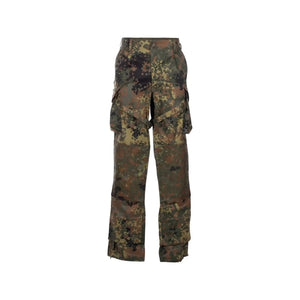
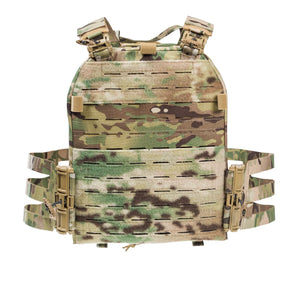
To complete your gear in a uniform camouflage colour, there are, in addition to regular clothing, various other items in the MARPAT camouflage style. These include, for example, backpacks, ponchos, poncho liners, protective masks and tactical vests.
The camouflage pattern alone does not make its wearer invisible. Anyone who wants to remain undetected should, for example, make sure not to carry items openly that can reflect light such as sunlight or the beam of flashlights. Camouflage clothing does not always exactly match the dominant color tone of the surroundings. However, it is often possible to blend in even better by attaching natural materials (e.g. twigs or grasses) to your clothing. The camouflage is completed by covering or painting exposed skin such as the face, neck, hands or forearms.
MARPAT as a pattern can be used in different regions. To date, a total of three variants have been developed: woodland, desert and urban. Woodland is best suited for use in forest landscapes. Desert, on the other hand, is the color variant for use in the desert. This variant was used, for example, in spring 2003 in Iraq, although it was still not very widespread at that time. The third variant, urban, was designed for urban regions but was never produced.
The camouflage pattern is a development of the US armed forces and is the world’s second digital camouflage pattern to be developed using computer technology. Its predecessor is considered to be the Canadian CADPAT (Canadian Disruptive Pattern), which has been used operationally by the Canadian armed forces since 2002. CADPAT was developed over 10 years on the basis of the German Flecktarn pattern and is now available in the variants Temperate Woodland (TW) and Arid Region (AR).


Shipping to Almost Everywhere
Shipped to you within 1–2 business days

Completely risk-free
Top reviews, certified shop & 31-day satisfaction guarantee

Pay flexibly
Pay securely and flexibly with PayPal and more

Loyalty is rewarded
In the ASMC Prime League, you'll receive attractive discounts
Pay securely with:


Secure shipping with: